Artist Statement
My work explores the relationship between memory, identity, and cultural inheritance, particularly how personal histories become intertwined with collective memory. As a first-generation Italian-American artist, I'm interested in the stories we preserve, the details we forget, and how our understanding of the past changes as it's passed between generations. Through cinematic oil paintings, I reconstruct moments that exist somewhere between autobiography, memory, and fiction, inviting viewers to recognize something familiar within histories that may not be their own.
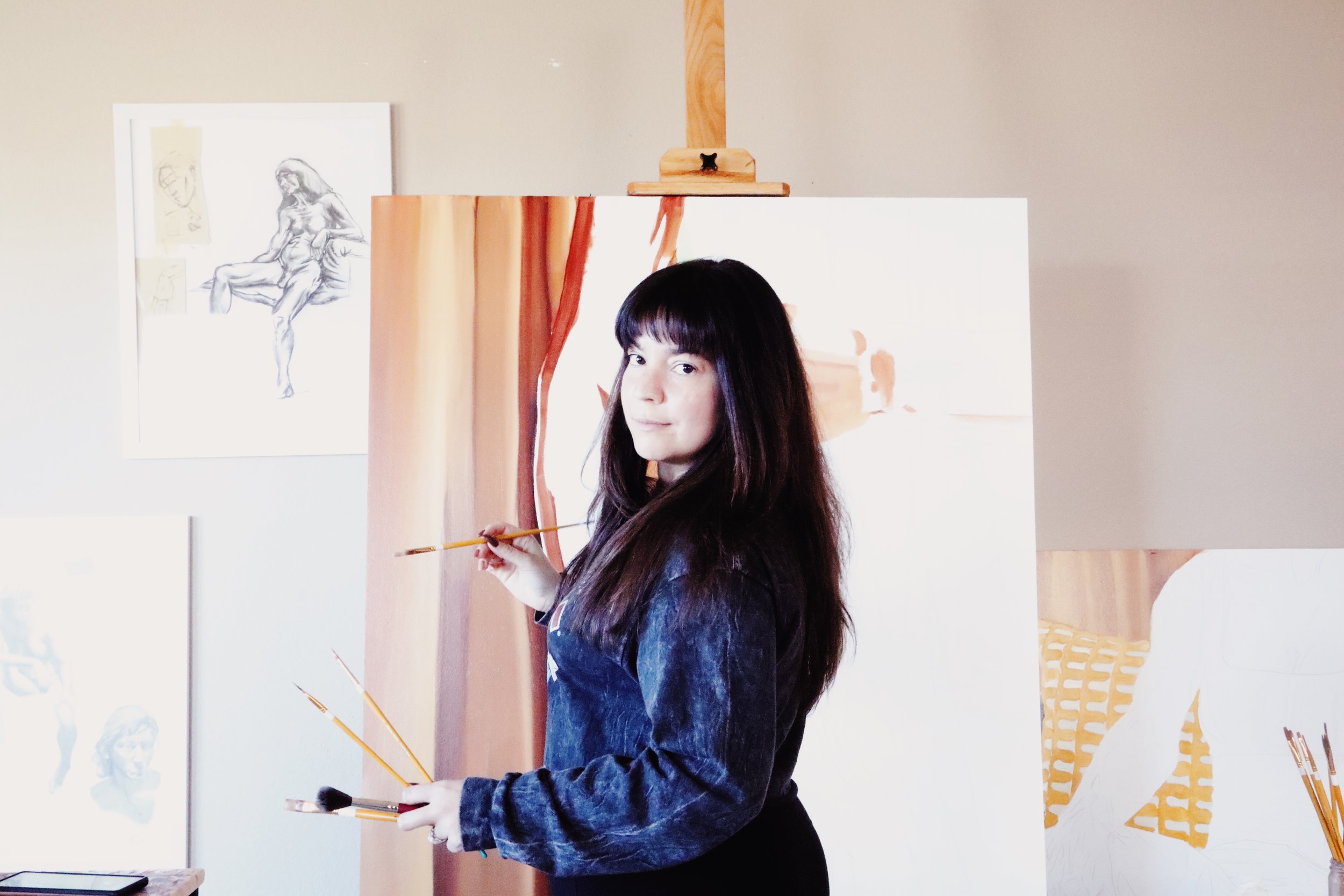
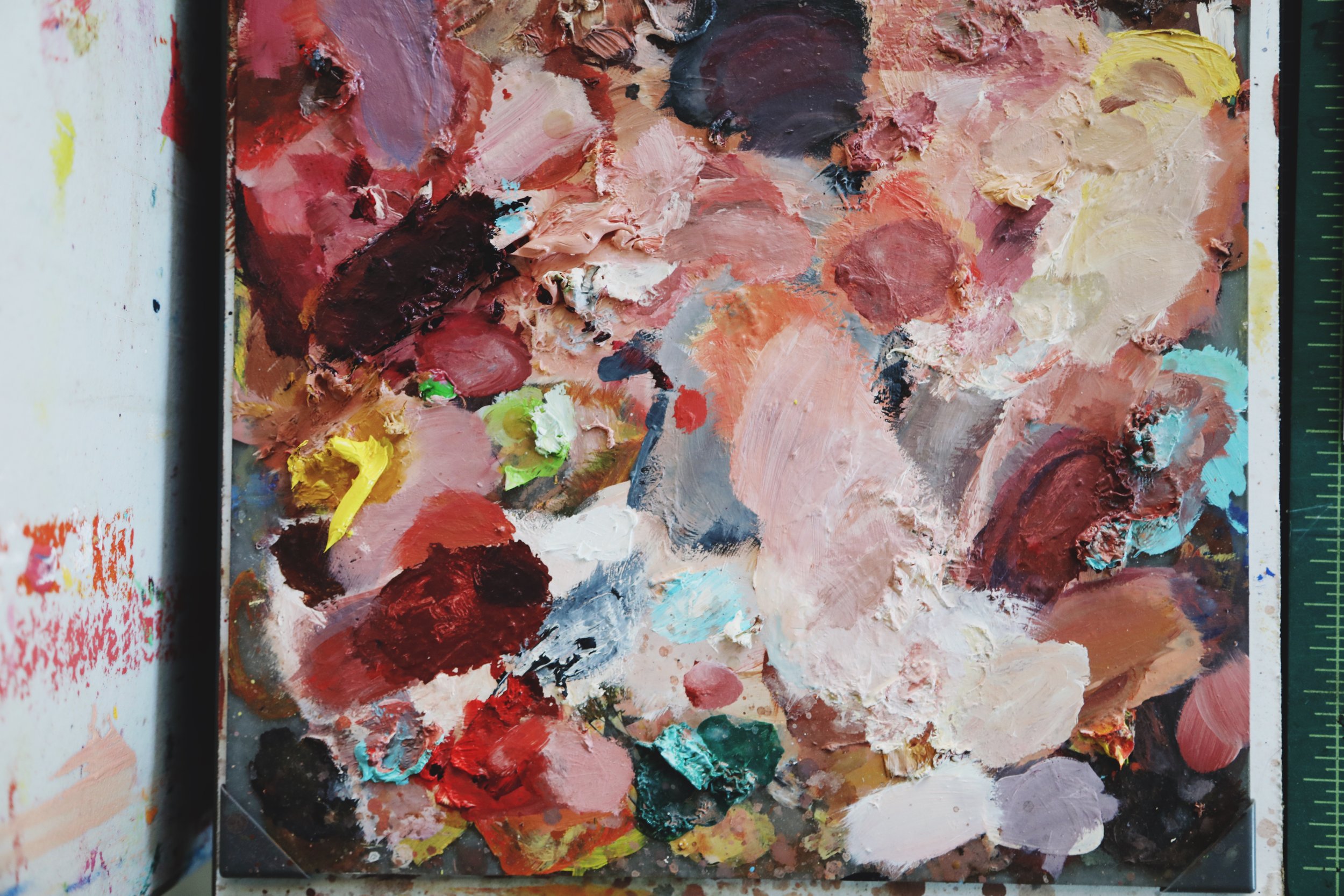
My process often begins with historical family photographs, archival imagery, and research into Italian-American culture, immigration, and domestic life. Rather than reproducing these references directly, I reinterpret them through staged photography, working with models, costumes, objects, and constructed environments to create new compositions. These photographs become the foundation for paintings where color, focus, and atmosphere reshape the original scene. I selectively sharpen or obscure details and use color to guide the viewer's attention, reflecting how memory can preserve certain moments vividly while allowing others to fade.
Domestic spaces and everyday rituals frequently appear throughout my work. Kitchens, family gatherings, inherited objects, and familiar gestures become places where cultural traditions, personal identities, and generational expectations intersect. I'm particularly interested in the tension between preservation and transformation: how we honor the histories that shape us while questioning the roles, sacrifices, and expectations we inherit. My paintings aren't intended to document the past exactly as it was, but to explore how it continues to shape the present.
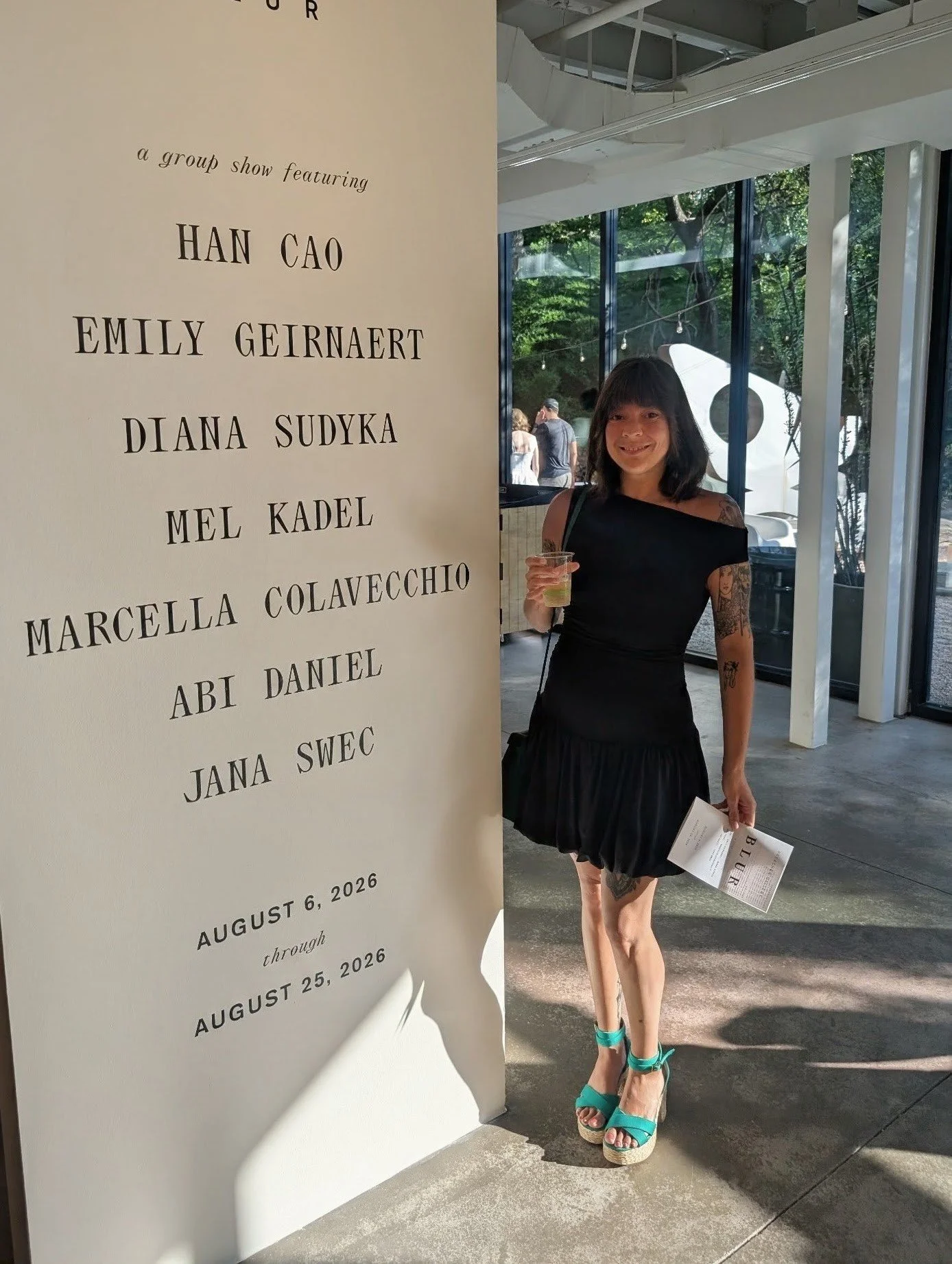
My solo exhibition, High Voltage, examined immigration, aspiration, and the complicated promises of the American Dream through my family's history. My current body of work, ITALIAN/AMERICAN, expands this exploration into the everyday experiences and cultural rituals that shape identity across generations. Through scenes of family dinners, bocce games, neighborhood storefronts, and domestic life, I explore how ordinary moments become part of our collective memory. While these images often evoke nostalgia, I'm equally interested in challenging the romanticized narratives surrounding Italian-American identity. The series questions the distance between cultural mythology and lived experience, exploring how traditions, stereotypes, and inherited expectations influence our sense of belonging.
As my practice evolves, I'm increasingly interested in how sculpture, ceramics, and installation might extend these narratives beyond the painted surface. The physical environments and objects I construct for my photographs have led me to consider how these elements might become part of the finished work, allowing familiar spaces and objects to exist in the same physical environment as the viewer.
Ultimately, I don't see memory as a fixed record, but as something we're constantly reconstructing. Through my work, I hope to create space for viewers to consider the histories they carry, the stories they choose to preserve, and what becomes possible when inherited narratives are reimagined.
The Studio